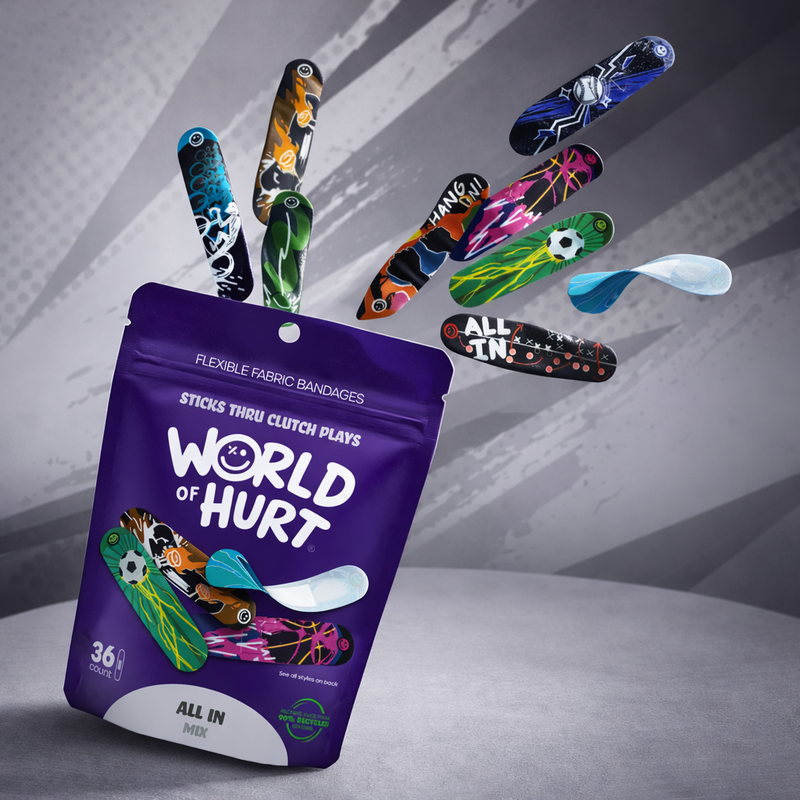
Starting with Super Hero Characters versus Dino Creatures: Your Ultimate Guide for Children's Bandages
All parents knows that childhood comes with plenty of cuts and scrapes. Whether through a carefree trip at the playground or an explorative backyard expedition, little accidents are just part of the process of growing. But what if we told you that the perfect bandage could transform those tears into laughter? From colorful superheroes to roaring dinosaurs, personalized bandages not only provide care but also add a touch of fun to bandaging.
In this ultimate guide, we'll investigate all the essential details about bandages for kids. We’ll cover how to pick the ideal bandage types for sensitive skin, evaluate gentle options with standard adhesive types, and uncover the best waterproof bandages that can brave the splashiest summer days. Get ready to immerse yourself in the world of fun and colorful bandages designed especially for kids, ensuring their tiny injuries are protected in fashion. spintax
Creative Uses for Youth Bandages
Children's bandages are not just useful for protecting up cuts and scrapes; they can also serve as a way for creativity and play. Little ones can transform their small injuries into a fun experience by selecting bandages adorned with their favorite characters or designs. This not only helps in redirecting their mind off the pain but also motivates them to embrace their injuries rather than fear them. Engaging in creative play around the bandages can help kids feel empowered and in control of their minor mishaps.
Another imaginative use for bandages is including them into arts and crafts. Kids can use bright bandages as materials for creating projects or decorating items like picture frames or journals. This activity not only fosters artistic skills but also teaches children about recycling materials. It allows them to see bandages in a new light, making their next minor injury less daunting and more like a artistic adventure.
Moreover, parents can utilize bandages as part of educational activities. For instance, they can teach children about basic first aid and the importance of caring for wounds while making it interactive. You can set up a mini first aid station where they can practice bandaging teddy bears or dolls, reinforcing the concept of safety and care in a fun and engaging manner. This helps instill good habits at an early age, ensuring that kids are well-prepared for minor accidents in the future.
Selecting the Best Bandage for Your Kids
While selecting a bandage for your kid, consider their activity level and the location of the injury. For kids who are constantly on the move, flexible fabric bandages that expand and conform are ideal. These bandages stay in place on energetic knees and elbows, providing comfort without restricting movement. Moreover, waterproof options are great for children who adore to swim or play in the rain, ensuring that the bandage is secure while protecting the wound protected.
Sensitivity is another significant factor to consider, especially for toddlers with sensitive skin. Hypoallergenic bandages are designed to minimize irritation and allergic reactions. Look for bandages made with breathable materials that avoid moisture buildup and skin maceration. Choosing products with high-quality silicone adhesives can also aid prevent rips and irritation during removal, causing the healing process easier for your child.
Finally, the incorporation of playful designs can transform the experience of wearing a bandage. Custom kids' bandages featuring favorite characters can turn injuries feel less scary, transforming tears into smiles. These entertaining designs not only help distract children during first aid but also motivate them to keep the bandage on, aiding in effective wound care. Always ensure that the selected bandage is suitable for the size of the cut and offers adequate coverage, encouraging healing while keeping your child cheerful.
Crucial Emergency Care Guidelines for Parents
As you are dealing with minor injuries, the initial step is to stay calm and reassure your child. Kids often sense their parents' anxiety, which can heighten their fear. Speak gently and explain what happened, keeping the emphasis on healing. Use colorful and cheerful bandages to make the experience more enjoyable, transforming a moment of worry into a chance for comfort.
Clean the wound thoroughly before applying a bandage. Use mild soap and water to prevent irritation; pat the area with a soft towel. It’s vital to prevent infection at this step, so always ensure your hands are clean before touching the wound. Choosing the appropriate type of bandage is important, whether it's flexible fabric for playful play or waterproof options for water activities. Always monitor the dressing for any signs of infection, such as redness or increased swelling.
Informing your child about wound care is beneficial in the long run. Teach them why to keep a bandage on is crucial for healing and how to care for their injuries. Incorporate fun elements, like choosing their preferred character bandages or personalizing the area with stickers. By making first aid a less scary experience, you enable your child to handle small accidents confidently and understand the necessity of care.